COCOBOD HOLDS HIGH-LEVEL ENGAGEMENT WITH COUNCIL OF STATE ON STRATEGIC COCOA SECTOR REFORMS
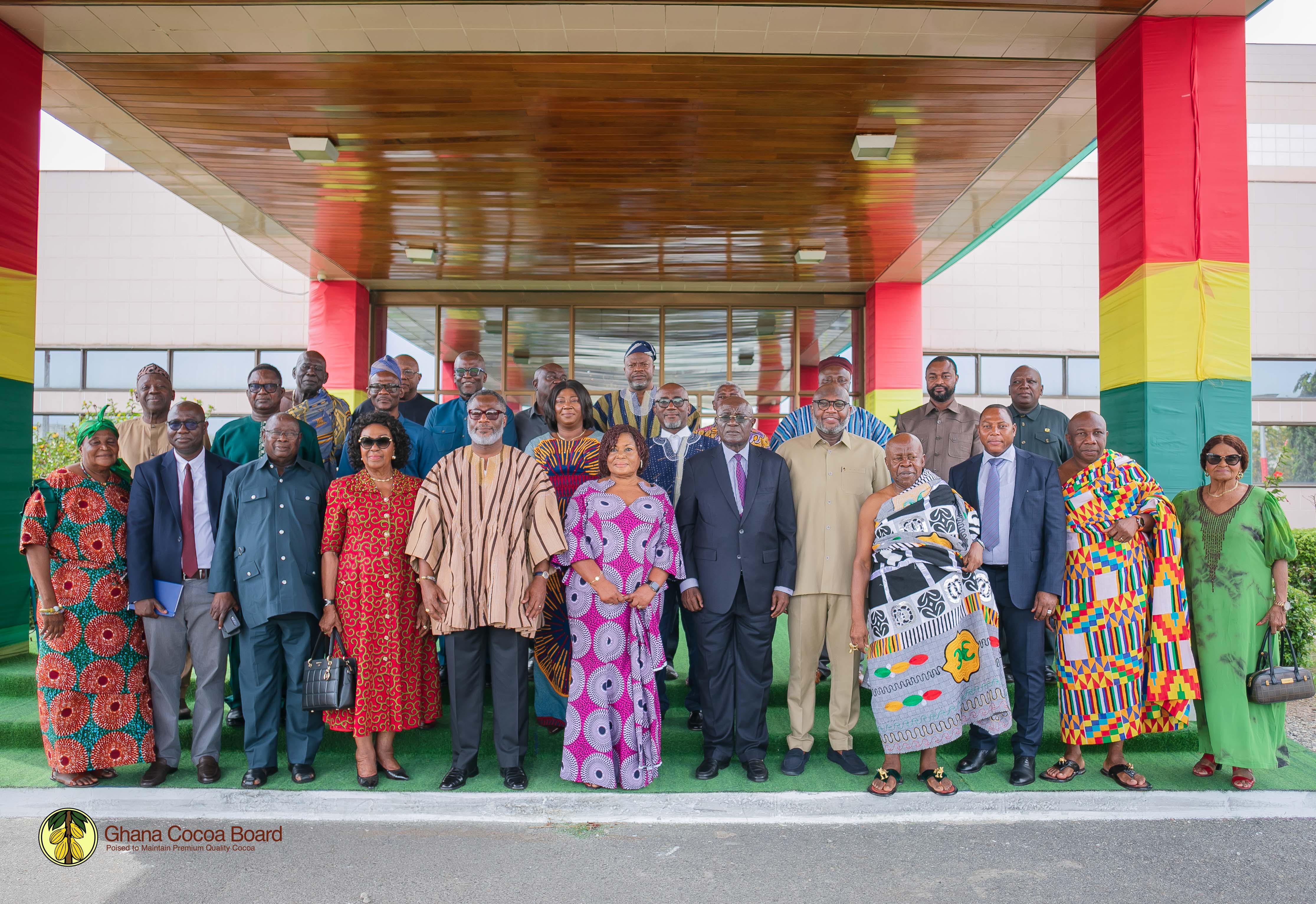
Date: 05th March 2026
The Chief Executive of Ghana Cocoa Board (COCOBOD), Dr Randy Abbey, has engaged the Council of State in high-level discussions on key policy reforms aimed at safeguarding the long-term sustainability of Ghana’s cocoa sector at Accra International Conference Centre (AICC).
Dr Abbey, accompanied by COCOBOD’s top management, outlined the critical challenges confronting the industry and presented strategic measures intended to reposition the sector for growth and resilience.
During his presentation, Dr Abbey raised concerns about the current system of collateralising cocoa beans for international buyers, noting that it does not adequately promote local value addition. He explained that the existing arrangement largely favours external markets and stressed the need for swift and strategic reforms to ensure that all stakeholders along the cocoa value chain, from farmers to processors, benefit equitably.
“The current financial model puts local processors at a disadvantage when purchasing beans for value addition, stressing the need to empower them financially to boost value addition and increase per capita cocoa consumption in the country,” he noted.
The Chief Executive further emphasised the urgency of introducing a new Financing Model as part of broader sector reforms. He reiterated that restructuring the Board’s financial architecture is crucial to placing COCOBOD on a more sustainable footing and strengthening its capacity to support farmers and industry players.
Dr Abbey also reaffirmed his commitment to supporting the President’s vision for comprehensive cocoa sector reforms, noting that collaboration with key state institutions such as the Council of State remains vital to achieving lasting transformation.
On behalf of the Council of State, Chairman Edward Doe Adjaho observed that cocoa has been the backbone of Ghana’s economy for many years and that its current challenges do not define the future of the sector.
“Over the years, cocoa has served us well. These reforms must be implemented effectively to protect farmers, staff, and all actors along the value chain,” he stated. He further called for the enactment of stronger laws to safeguard cocoa trees and preserve COCOBOD’s investments.
The engagement forms part of ongoing consultations by COCOBOD, aimed at building consensus and charting a clear path toward a more competitive and sustainable cocoa industry in Ghana.
Other News / Articles you might be interested in.
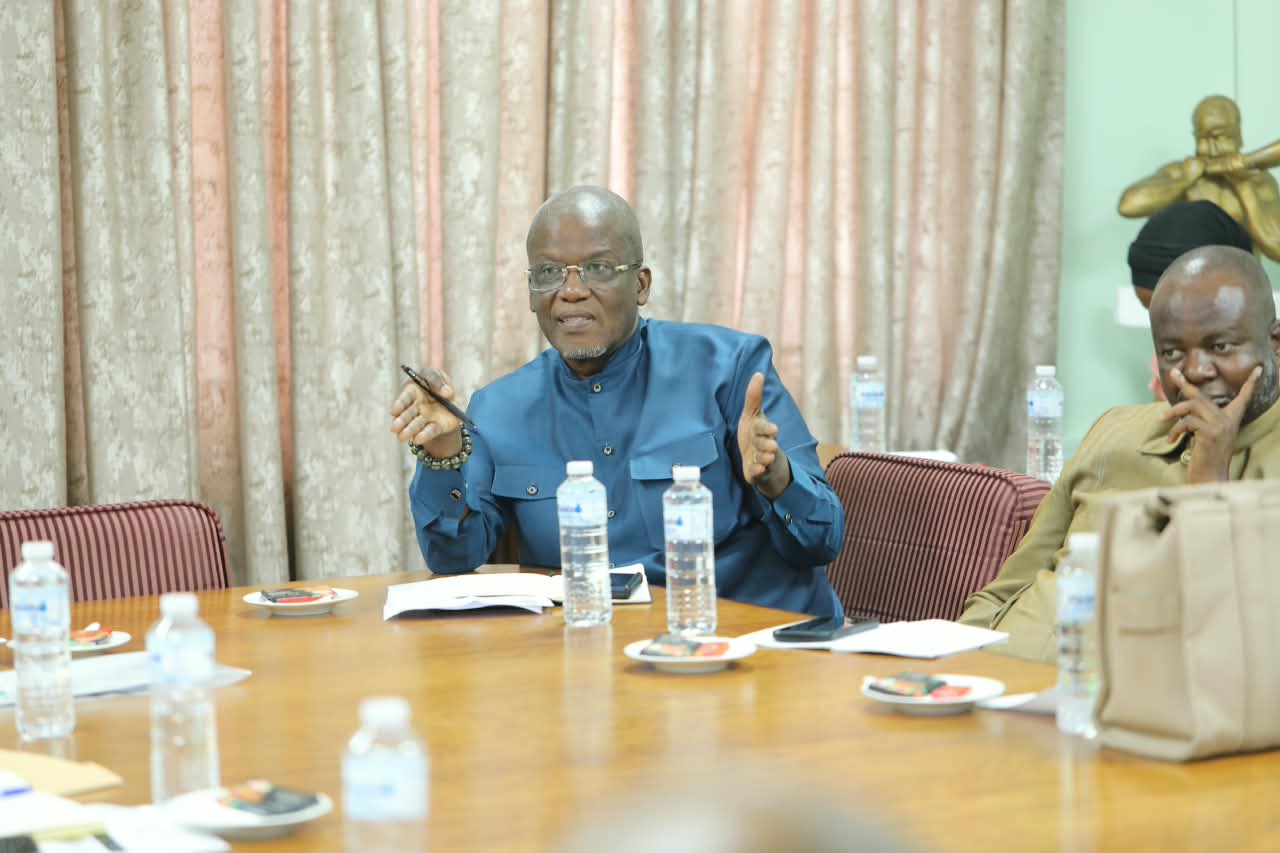
GSA AND COCOBOD PARTNER TO EMPOWER LBC EXECUTIVES ON KEY OPERATIONAL STANDARDS
The Ghana Standards Authority (GSA), Ghana Cocoa Board (COCOBOD), and representatives of Licensed ...
Read More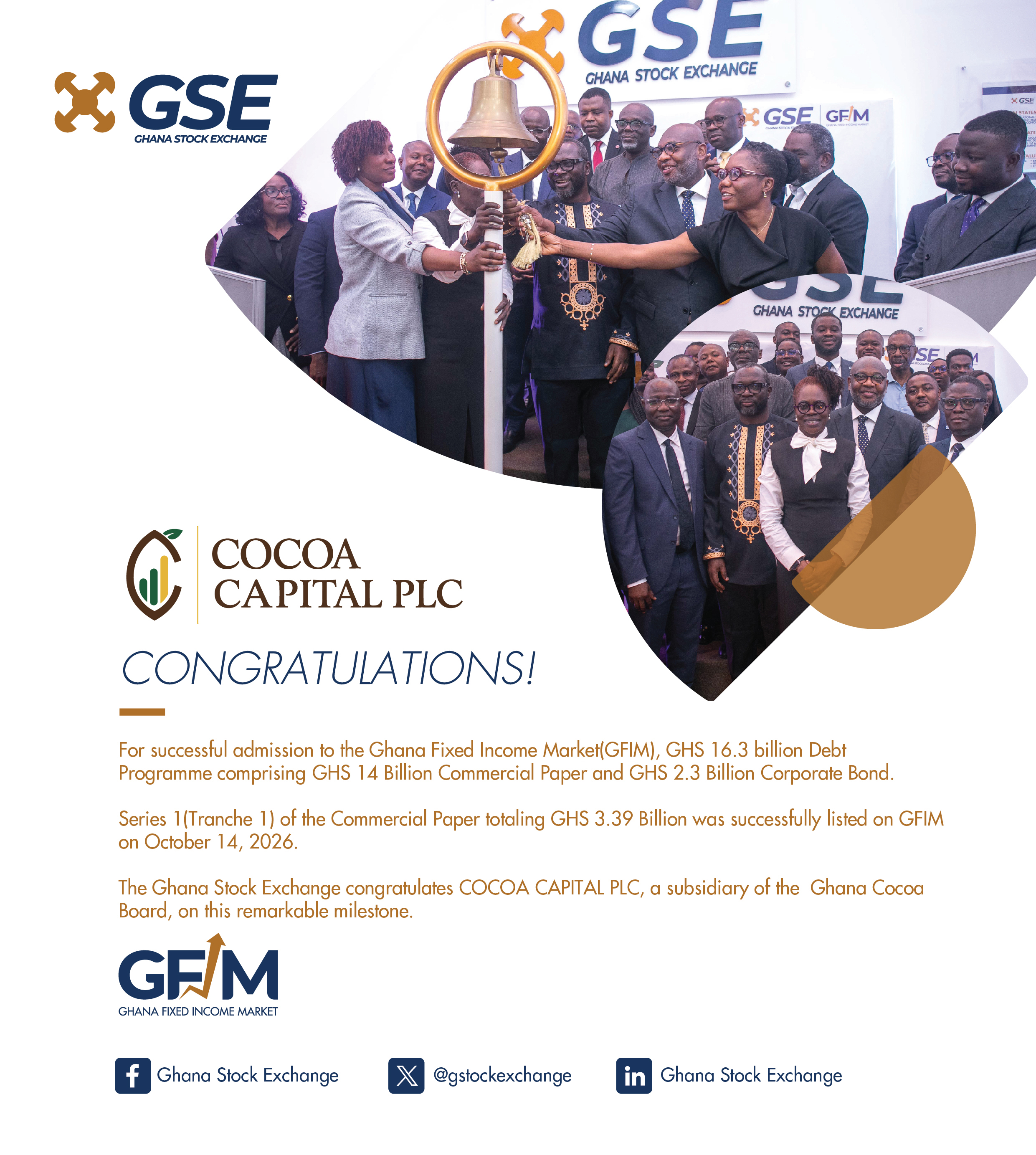
COCOA CAPITAL PLC BOND AND NOTE PROGRAMME
Read More
COCOA CAPITAL PLC UNDERTAKES A BOND AND NOTE PROGRAMME ON GSE
Cocoa Capital PLC, a subsidiary of Ghana Cocoa Board (COCOBOD) created under the ...
Read More